Work / Case study
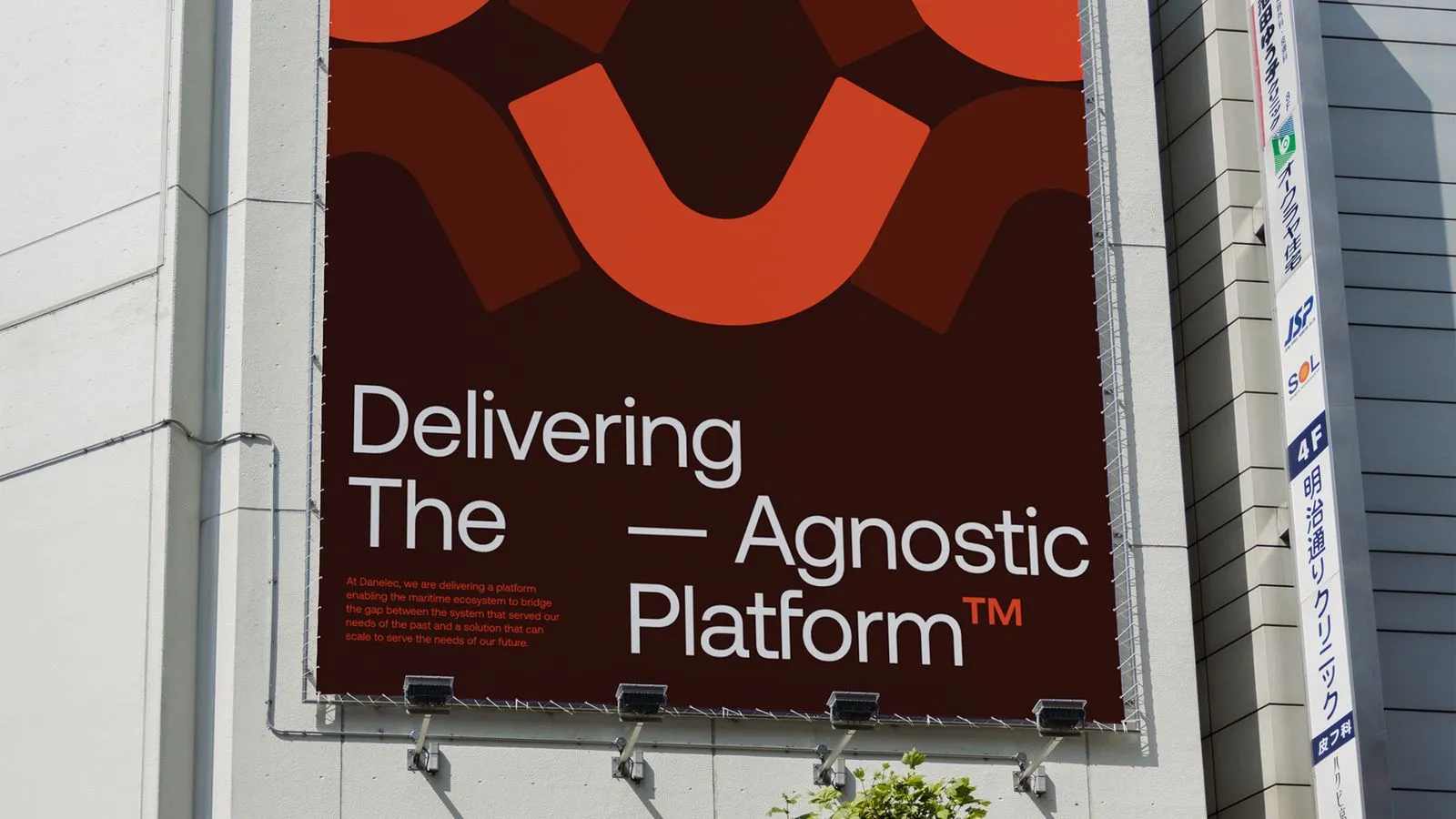
A 30-year hardware leader had broadened its footprint and quietly become a SaaS business. But in order to change its perception and position, the brand, the narrative, and the go-to-market motions had to catch up.
Danelec had spent thirty years building a leadership position in maritime hardware - or more specifically - in Voyage Data Recorders with an installed base of 5,000+ commercial vessels, and one of the largest data-collection footprints in the industry. The acquisition of the Norwegian ship performance monitoring companu, Kyma, extended Danelec's footprint - not only into ship-performance, but into software as a service. With the acquisition of Nautilus Labs' technology platform, Danelec effectively built a new, software-enabled performance business inside a company that still presented itself as a hardware provider. Danelec's position, the narrative, and the go-to-market had to catch up to gain the full value of their acquisitions.
The repositioning, on five axes
Product → Customer
From what we manufacture to the outcomes we enable.
Inside-out → Outside-in
Grounded in market pains, not internal pride.
Input → Outcome
Sold on impact, measured in results.
Offering → Impact
One platform story, not a shelf of products.
Reactive → Proactive
Leading the category, not following it.
The perception was product-centric and inside-out: defined by what it manufactured rather than the outcomes it enabled. Sales was almost entirely partner-led, running through 200+ technicians and independent partners, and there was no shared narrative that could hold a hardware business (VDR), a performance-analytics business (Kyma, Nautilus), and future acquisitions together under one roof.
We led a structured repositioning, grounded in a market assessment across five lenses: megatrends, category, audience, brand, and offering. The case for change rested on evidence, not opinion. Three megatrends anchored it: the shift toward decarbonisation investment, a surge in regulation (IMO GHG strategy, EU ETS, EEXI, CII, CSRD), and negative safety trends driven by machinery failure and poor data quality.
From there we ran a full brand-house exercise, translating market pains into insights, insights into promises, promises into values (Solid, Safe, Simple) and personality, and finally into a single value proposition and position statement:
The value proposition
We deliver the agnostic platform to accelerate maritime sustainability and safety.
It gave Danelec a platform story that could credibly house a hardware business, an analytics business, and future M&A under one identity. We built the new visual identity and naming architecture (Danelec, Ascenz Marorka / Kyma, VPS, Nautilus), a new website and CMS to support both partner and direct journeys, and HubSpot as the marketing system of record.
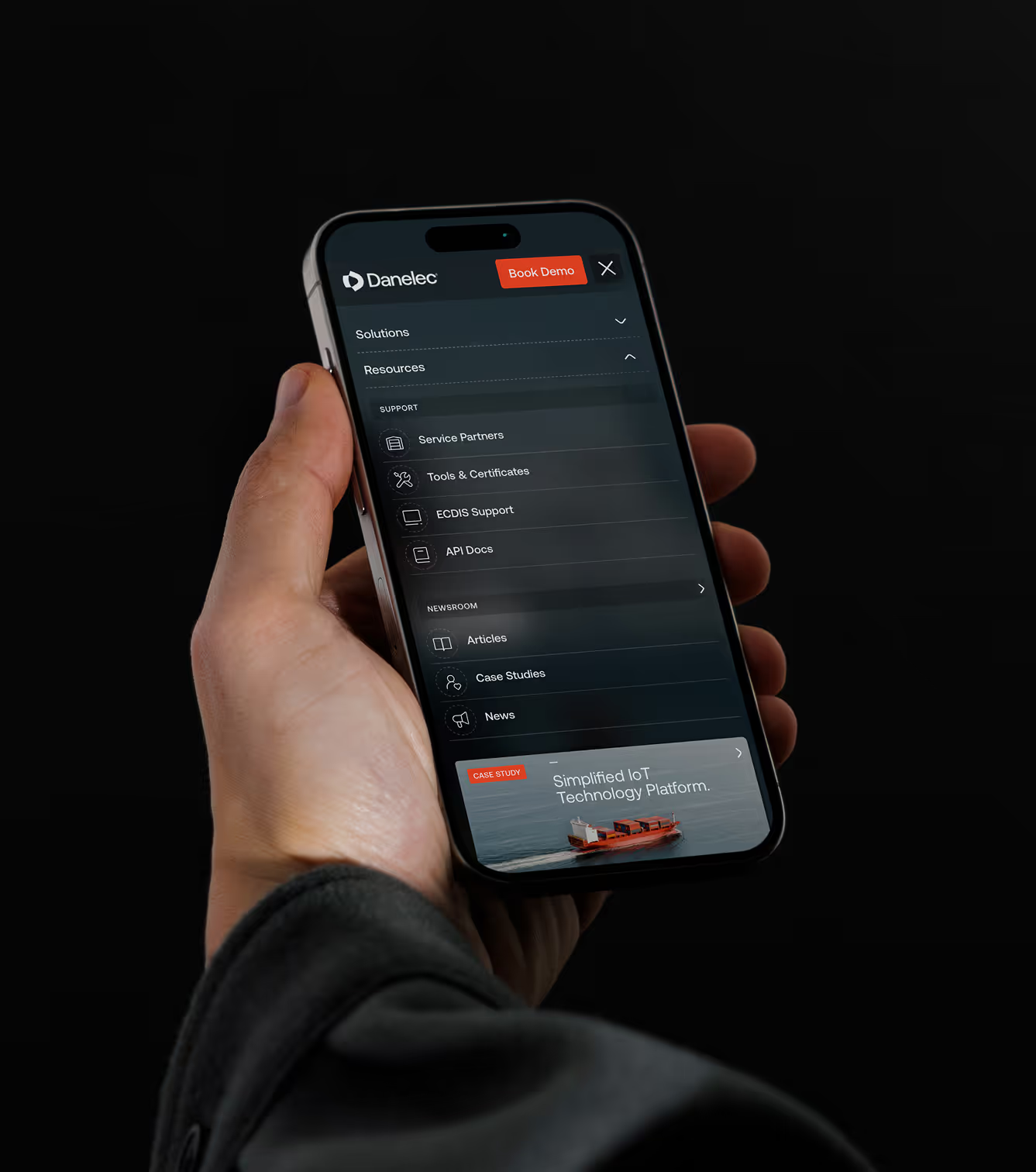

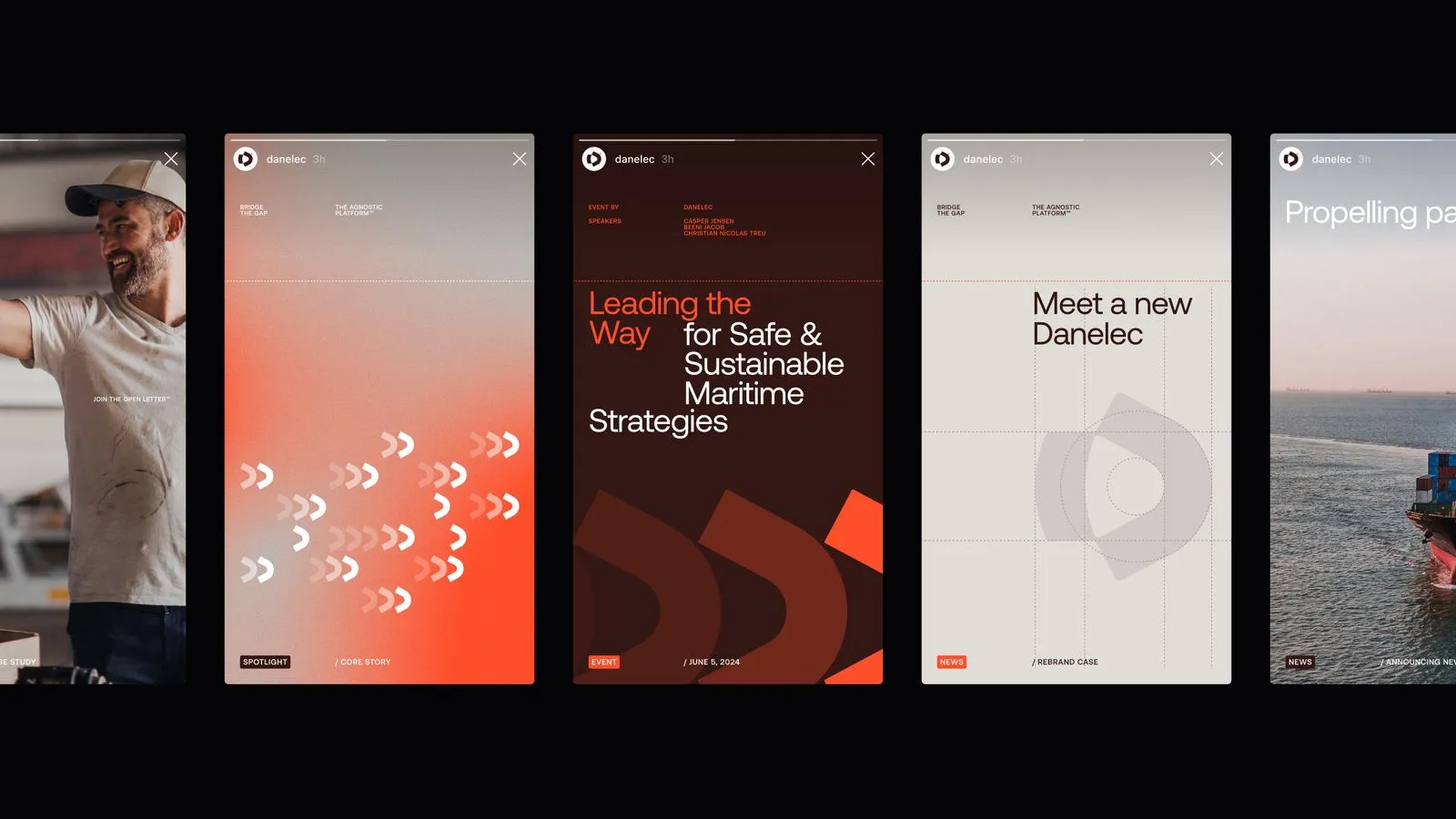
The repositioning did three jobs at once. Commercially, it gave the company a foundation to shift from a purely partner-led hardware motion to a hybrid model that also sells software directly to end-users. Operationally, the website and HubSpot became the infrastructure that made inbound and outbound demand generation possible for the first time. And strategically, it became the long-term equity story used in Verdane's exit to GTT: evidence that this was a software-enabled maritime performance platform, not a hardware company with a data add-on.